Reading the label
BPA free, dishwasher safe and the other words on a kitchen pack
A pack of tumblers carries four or five claims in its first line. Some are facts about the material, some are the maker's promises, and one is a chemical name most people have heard and few could define. Here is what each word means, where the maker's word ends, and what the FDA says about the one everybody asks about.
15 minute read · sources read 4 September 2026
Start with the pack
Patelai kitchen & tableware to look at first
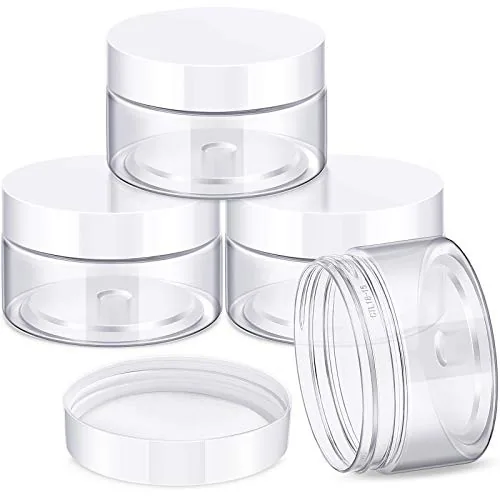
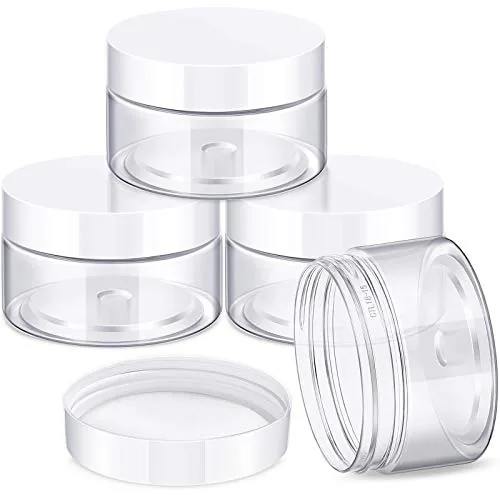
Plastic Jars Wide Mouth Lids, 1 oz, pack of 4, white
4 pieces · 1 oz · plastic
4.5 out of 5 from 4,973 ratings
$6.85 $1.71 a piece

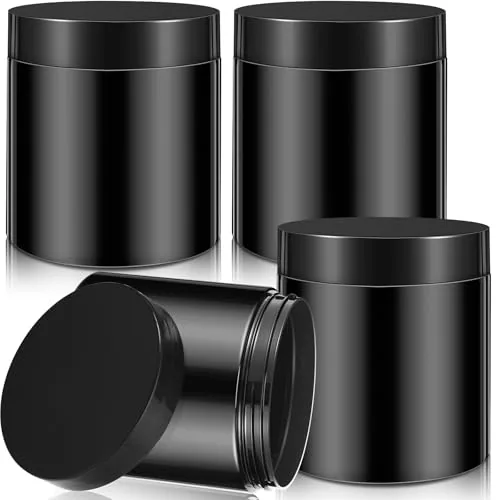
Plastic Jars Wide Mouth Lids, 16 oz, pack of 4, black
4 pieces · 16 oz · plastic
4.5 out of 5 from 4,973 ratings
$15.95 $3.99 a piece
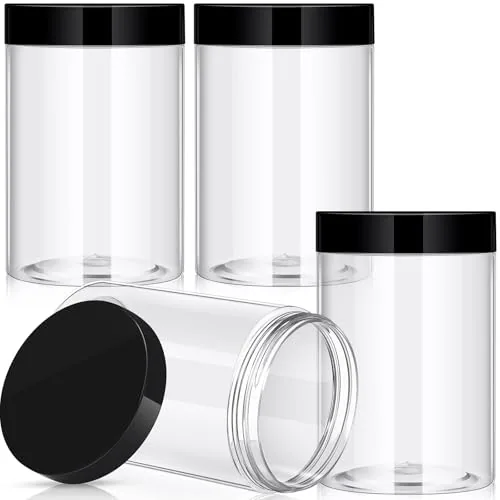
Plastic Jars Wide Mouth Lids, 27 oz, pack of 4, black
4 pieces · 27 oz · plastic
4.5 out of 5 from 4,973 ratings
$16.95 $4.24 a piece
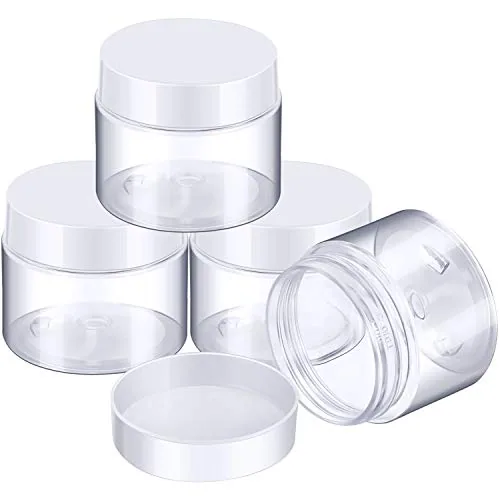
Plastic Jars Wide Mouth Lids, 2 oz, pack of 4, white
4 pieces · 2 oz · plastic
4.5 out of 5 from 4,973 ratings
$7.25 $1.81 a piece
Buttons open the pack at our retail partner in a new tab.
Two kinds of words on one pack
Take any tumbler pack from the Patelai essentials on the kitchen bench and read the first line. Plastic, twelve pieces, clear, BPA free, dishwasher safe. Five words, two kinds. Plastic, twelve and clear are descriptions. Anyone with the pack in hand can check them. BPA free and dishwasher safe are promises, and only the maker can stand behind them.
We keep the two kinds apart on every Patelai page. Descriptions go in the name and the specification. Promises go on a separate line marked as the maker's statement, and if the maker did not make the promise, the line is blank. A blank line is not a warning. It means nobody said it, and we will not say it for them.
This guide walks through the promises one by one, then the materials, then the one word that gets a whole federal page of its own. It is about reading a pack. It is not medical advice, and where the FDA has an opinion we quote the FDA instead of having one.
How often the maker makes each promise on the Patelai kitchen and storage benches
Counted from the kitchen and storage packs with a price today. A pack is counted only when the maker's own text carries the words.
| Maker's words | Packs that state it | Share |
|---|---|---|
| BPA free | 9 of 281 packs | 3% |
| Dishwasher safe | 8 of 281 packs | 3% |
| Microwave safe | 0 of 281 packs | 0% |
| Reusable | 60 of 281 packs | 21% |
The low numbers are the honest part of this table. Most packs say nothing about the dishwasher, and a pack that says nothing has made no promise. Treat silence as hand wash.
Patelai kitchen packs with the count in the name
Plastic Jars Wide Mouth Lids, 1 oz, pack of 4, white
4 pieces · 1 oz · plastic
4.5 out of 5 from 4,973 ratings
$6.85 $1.71 a piece
Plastic Jars Wide Mouth Lids, 16 oz, pack of 4, black
4 pieces · 16 oz · plastic
4.5 out of 5 from 4,973 ratings
$15.95 $3.99 a piece
Plastic Jars Wide Mouth Lids, 27 oz, pack of 4, black
4 pieces · 27 oz · plastic
4.5 out of 5 from 4,973 ratings
$16.95 $4.24 a piece
Plastic Jars Wide Mouth Lids, 2 oz, pack of 4, white
4 pieces · 2 oz · plastic
4.5 out of 5 from 4,973 ratings
$7.25 $1.81 a piece
Buttons open the pack at our retail partner in a new tab.
Dishwasher safe: which rack, and for how long
Dishwasher safe is the most common promise and the least precise. It means the maker expects the piece to come through a dishwasher cycle without cracking, warping or losing its print. It does not say which rack, which temperature, or how many cycles.
In practice the top rack is cooler, and thin plastic that is dishwasher safe on the top rack can still warp on the bottom one next to the heating element. Prints and gold rims are the first to go. A pack of a dozen tumblers will lose the print on two or three before the rest, and that is not a fault, it is the cycle count.
What the promise does cover is the material itself. Stainless steel, glass and silicone take the machine as a matter of course. Wood does not, whatever the label says, because the grain swells and the finish lifts. When a wooden spoon pack says dishwasher safe, we print it, and we also print the wood. You can decide which word to trust.
Microwave safe: the promise almost nobody makes
Look at the table again. Microwave safe is the rarest promise on the bench, and there is a reason. A microwave heats the food, and the food heats the container, so the maker cannot know how hot the piece will get. A container of water goes to 212 °F. A container of butter goes higher.
The absence of the words is the maker being careful, and we suggest you are careful too. Glass and ceramic are the usual answer. Silicone is fine at the temperatures a microwave reaches but goes soft, so a silicone lid is a cover, not a handle. Stainless steel never goes in. Plastic that does not say microwave safe stays out, even the plastic that says BPA free, because the two words are about different things.
BPA free: what the letters mean
Now the word everyone asks about. BPA is bisphenol A, and the FDA page we read defines it in one sentence.
BPA is an industrial chemical used to make polycarbonate, a hard, clear plastic, which is used in many consumer products.FDA, Bisphenol A (BPA): Use in Food Contact Application, read 4 September 2026
So BPA free on a pack means the plastic is not polycarbonate, or that no BPA was used in making it. The clear rigid tumbler you could see through in the nineties was often polycarbonate. Most clear plastic drinkware on the bench today is a different plastic, and the words on the pack say so.
The FDA page also records what happened to BPA in one particular category, and it matters because it is the origin of the whole conversation.
FDA has amended its regulations to no longer provide for the use of BPA-based polycarbonate resins in baby bottles and sippy cups.FDA, Bisphenol A (BPA): Use in Food Contact Application, read 4 September 2026
The page is careful to explain the reason, and we will be careful with it too. That amendment, in July 2012, was made because industry had already abandoned the use, not because of a safety finding. The FDA states its own position on the chemical in food packaging in a separate sentence.
FDA’s current perspective, based on its most recent safety assessment, is that BPA is safe at the current levels occurring in foods.FDA, Bisphenol A (BPA): Use in Food Contact Application, read 4 September 2026
That is the whole of what we will say about health, because it is the whole of what the source says and we are not the source. What we can say about packs is simpler. When the maker writes BPA free, we print it on its own line. When the maker writes nothing, the line is blank. And a blank line is not a claim that BPA is present, any more than a blank dishwasher line is a claim that the piece will melt.
The page carries a date, and so does our reading of it. If the FDA updates its assessment, the quote on this page stays the quote from the day we read it, and the date next to it tells you when that was.
Materials on the Patelai kitchen and storage benches
Materials with three or more packs today. The middle price is the median of the price per piece for that material, so one expensive pack does not move it.
| Material | Packs | Maker states dishwasher safe | Middle price per piece |
|---|---|---|---|
| plastic | 60 packs | none state it | $1.67 |
| stainless steel | 53 packs | 3 of 53 | $4.99 |
| wood | 29 packs | none state it | $2.17 |
| silicone | 28 packs | 2 of 28 | $2.00 |
| metal | 21 packs | none state it | $2.32 |
| glass | 14 packs | 3 of 14 | $1.62 |
| polyester | 11 packs | none state it | $3.33 |
| paper | 10 packs | none state it | $1.42 |
| mesh | 6 packs | none state it | $2.58 |
| cotton | 4 packs | none state it | $1.50 |
| microfiber | 4 packs | none state it | $7.50 |
| ceramic | 3 packs | none state it | $7.50 |
Stainless steel and glass cost more per piece and take the dishwasher without a promise. Plastic and paper cost less and need the promise. Wood costs the same as plastic and should stay out of the machine whatever the pack says.
Plastic, and the other words next to it
Plastic is the biggest material on the bench and the vaguest word on it. When the maker names the plastic we print the name. PP, polypropylene, is the usual one for lids and tumblers and takes a dishwasher on the top rack. PET is the clear bottle plastic and does not like heat at all. PS, polystyrene, is the clear rigid cup plastic and cracks rather than bends.
When the maker does not name the plastic, the page says plastic and nothing more. It is tempting to guess from the photo, and we do not. A clear tumbler can be any of the three, and the difference decides whether it survives the dishwasher.
Disposable is a separate word from plastic and it means what it says. A hundred disposable cups is a hundred uses. They will take a second use if you wash them by hand, and they will not take the machine, and the maker has promised nothing beyond the first use.
Patelai plastic packs on the kitchen bench
Plastic Jars Wide Mouth Lids, 1 oz, pack of 4, white
4 pieces · 1 oz · plastic
4.5 out of 5 from 4,973 ratings
$6.85 $1.71 a piece
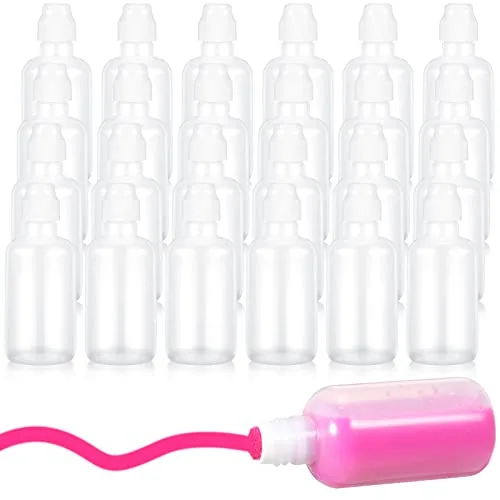
Empty Bingo Daubers Bottle Ounce, 2ounce, pack of 24, white
24 pieces · 2ounce · plastic
4.2 out of 5 from 48 ratings
$29.99 $1.25 a piece
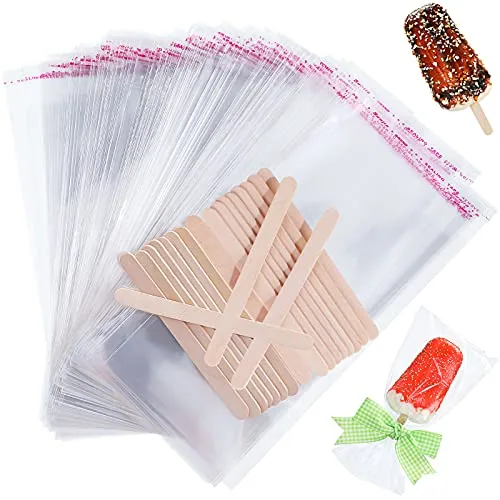
Ice Lolly Sticks Clear Self-adhesive, pack of 300, clear
300 pieces · plastic
4.6 out of 5 from 696 ratings
$11.99 4¢ a piece
Buttons open the pack at our retail partner in a new tab.
Glass and stainless steel: no promise needed
The two materials that need no promise are the two that cost the most per piece, and the table above shows both facts side by side. A glass jar goes in the dishwasher, the microwave and the oven without a label. A stainless steel tumbler goes in the dishwasher and never in the microwave, and again no label is needed, because the material is the promise.
The trade is weight and breakage. A pack of twelve glass jars weighs what a pack of forty-eight plastic ones weighs, and one in a pack of twenty-four can arrive cracked. Count glass on the day it arrives. Stainless steel dents rather than breaks, keeps a drink cold if it is double walled and the page says so, and shows every fingerprint.
Wide mouth on a jar is a description, not a promise, and it is the one that matters at the sink. A wide mouth takes a hand, a ladle and a bottle brush. A narrow one takes a funnel and patience.
Patelai glass and steel packs
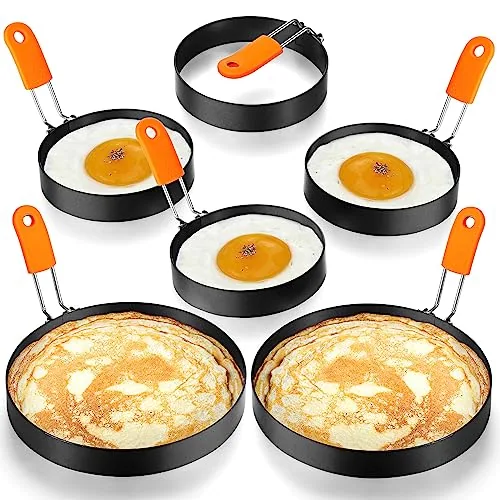
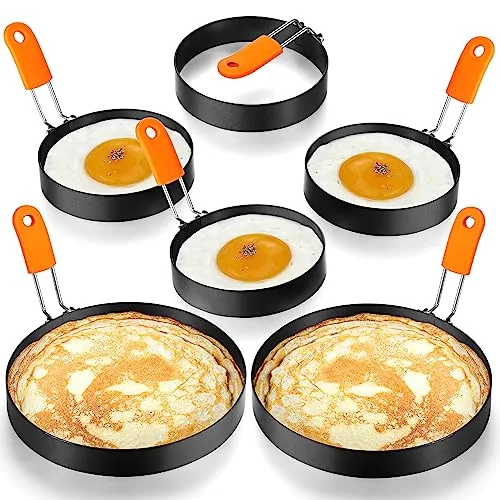
Egg Rings Griddle Nonstick Pancake, 6 in, pack of 6
6 pieces · 6 in · stainless steel
4.4 out of 5 from 781 ratings
$19.99 $3.33 a piece
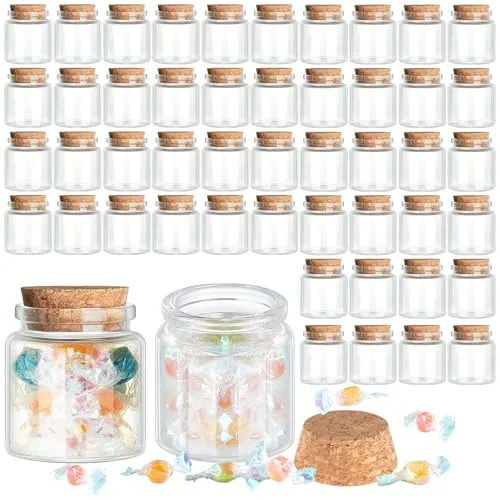
Small Glass Jars Cork Lids, 50ml, pack of 24
24 pieces · 50ml · glass
4.6 out of 5 from 595 ratings
$20.99 87¢ a piece
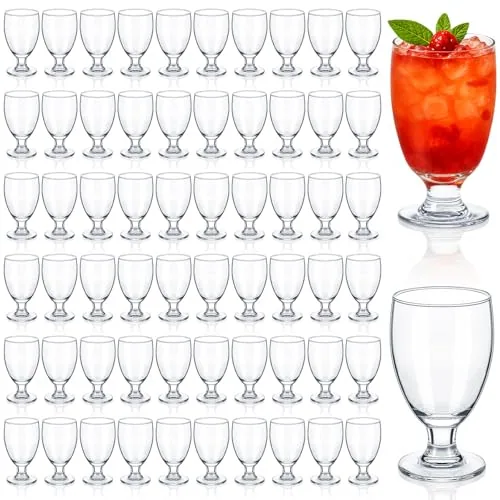
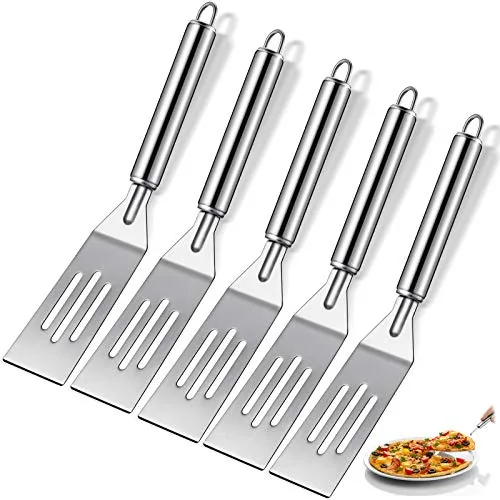
Buttons open the pack at our retail partner in a new tab.
Silicone: the middle material
Silicone sits between plastic and glass in price, and in behaviour. It takes the dishwasher and the freezer, goes soft in the microwave, and does not break when dropped. The bench uses it for lids, covers, straws and ice trays, and a silicone lid pack is the one that fits jars from three different sets because it stretches.
What silicone will not do is stay clean of smell. A silicone lid that has covered onions keeps the onion. A soak in hot water with baking soda shifts most of it. The other thing it does is collect dust, so a pack of silicone straws lives in a closed drawer, not a jar on the counter.
Food grade silicone is the phrase the maker uses when they mean the silicone is the kind intended for contact with food, and we print it when they write it. Silicone without the phrase is silicone without the phrase.
Patelai silicone lids, covers and straws
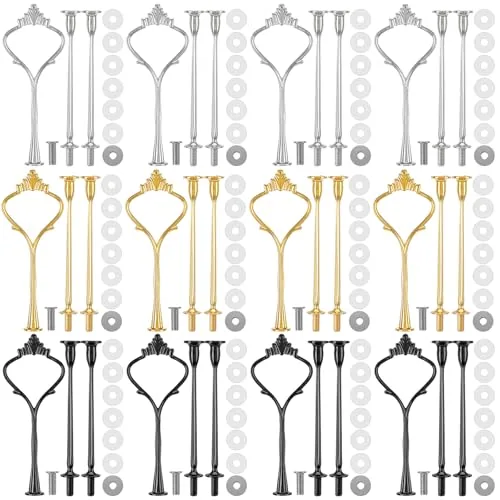
Tiered Tray Hardware Kit, pack of 12 sets, black
12 sets · silicone
4.3 out of 5 from 637 ratings
$19.31 $1.61 a piece
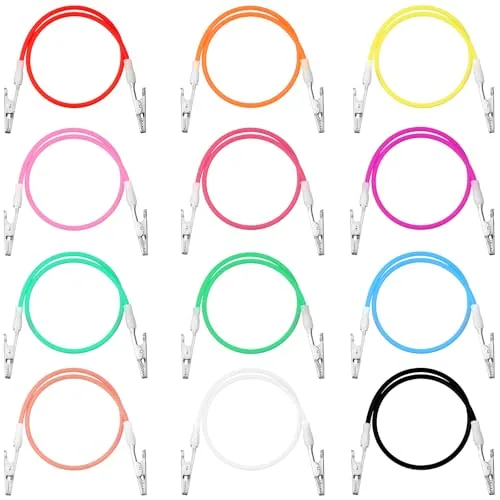
Silicone Bib Clips Chain Napkin, pack of 12, bright
12 pieces · silicone
4.7 out of 5 from 699 ratings
$12.49 $1.04 a piece
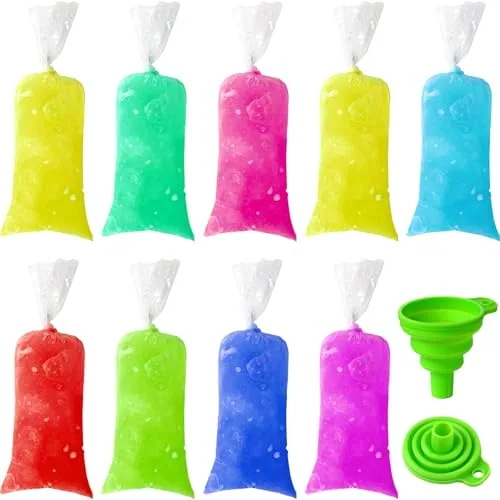
Ice Pop Bag Funnel Popsicle, 2 x 8 in, pack of 200
200 pieces · 2 x 8 in · silicone
$7.99 4¢ a piece
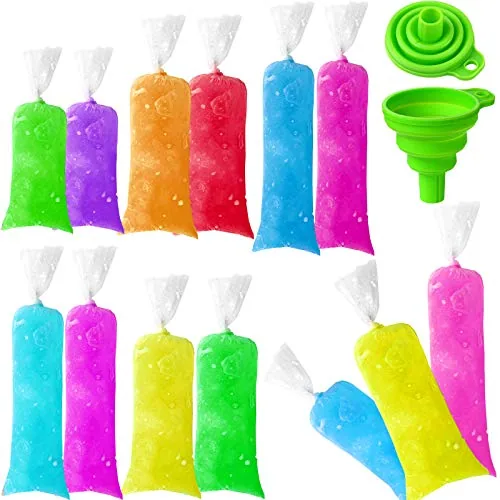
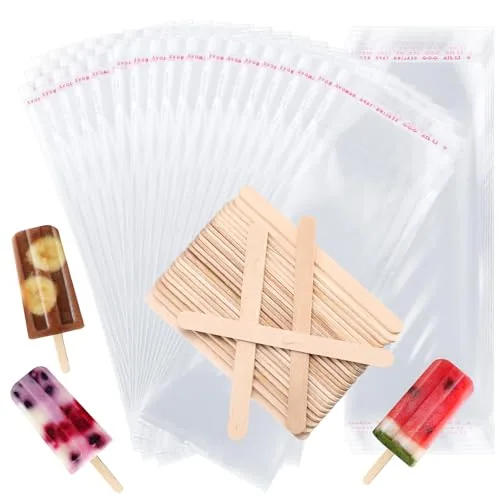
Ice Pop Bags Freeze Molds, pack of 300
300 pieces · silicone
4.4 out of 5 from 1,195 ratings
$9.99 3¢ a piece
Buttons open the pack at our retail partner in a new tab.
Paper and wood: the two materials that dislike water
Paper and wood are on the bench because they are cheap per piece and look right on a table, and both have the same weakness. Water. A paper straw goes soft in a drink in about half an hour. A wooden spoon goes grey and rough after a month in the sink. Neither takes a dishwasher, and a wooden pack that says dishwasher safe is a pack we print with the material next to the promise so you can weigh one against the other.
Paper has one use, and that is the honest way to count it. A pack of two hundred paper straws is two hundred drinks. A pack of a hundred paper cups is a hundred drinks and a bag of recycling. Per piece they are the cheapest thing on the bench, and per drink they cost the same as a reusable tumbler after about two months of daily use.
Wood needs oil. A wooden spoon or a bamboo board wiped with food safe mineral oil once a month stays smooth and stops taking on smells. Left dry, it splits along the grain. This is the maker's advice on most wooden packs, and where the maker prints it, we do.
Coffee cup sleeves and the disposable line
Cup sleeves are the pack that shows what disposable means in a busy kitchen. A sleeve is corrugated card, it fits a standard hot cup, and it is done after one drink. A pack of a hundred lasts a family a season and a small office a fortnight.
Size is the only word that matters on the pack, and it is a cup size, not a sleeve size. A sleeve for a twelve ounce cup fits a sixteen ounce cup badly and an eight ounce cup not at all. The page prints the cup sizes the maker names, and if the maker names none, the page says sleeves and leaves the sizing to you.
Sleeves are also the one paper pack that stores for years. Keep them flat, keep them dry, and the pack you open in two years is the pack you bought. The same is not true of paper straws, which go stale in the sense that they lose their coating and soften faster.
Bottles: mouth, lid and what leak proof means
A bottle pack carries three words that decide whether it works: the mouth, the lid and the seal. Wide mouth takes ice and a brush. Narrow mouth pours cleanly and takes a funnel to fill. Both are descriptions, both are on the page, and neither is a promise.
Leak proof is a promise, and it is the maker's. It means the lid closed correctly should hold the liquid in when the bottle is on its side. It does not mean the bottle survives a bag with a laptop for a month. Silicone seals in a screw lid dry out, and a bottle that was leak proof in March weeps in September. Replace the seal, or the lid, and the promise comes back.
Plastic bottles for juice and cold drinks are usually PET, the clear bottle plastic, and PET does not like hot liquid or the dishwasher. A pack of clear plastic juice bottles is for cold drinks, cold washing and a party. Glass bottles are for anything, and for counting on the day they arrive.
Stainless steel: single wall and double wall
Stainless steel comes in two builds and the price per piece shows which. A single wall tumbler is one sheet of steel, it sweats with a cold drink and burns with a hot one, and it costs about what glass costs. A double wall tumbler is two sheets with a gap, it keeps a cold drink cold for hours and does not sweat, and it costs two to three times as much per piece.
The pack says which. Double wall, insulated and vacuum are the maker's words for the second build, and we print them when the maker uses them. A steel tumbler with none of those words is single wall, whatever the photo suggests.
Steel goes in the dishwasher and never in the microwave. It dents instead of breaking, so a pack of twelve arrives complete when a pack of twelve glass does not always. It shows fingerprints, holds a smell less than silicone, and is the material we would buy for a room where things get dropped.
Reusable, disposable and the count
Reusable is on the bench as a maker's word, and it changes how the count reads. A pack of twelve reusable tumblers is twelve tumblers for years. A pack of a hundred disposable cups is a hundred drinks. Per piece, the disposable pack is cheaper by a wide margin. Per drink over a year, the reusable pack wins by the second month.
The right choice depends on the room. A party of forty wants the hundred-pack. A classroom of twenty-four wants the reusable twelve and a second twelve. Our guide on party arithmetic does the guest list sums, and the classroom guide does the roster.
Lids: the pack that has to match
Lids are the one kitchen pack you cannot buy by count alone. A lid fits a mouth, and mouths come in standard and wide, in ounces, in millimetres, and in the shape of the jar you already own. The page for a lid pack carries the size the maker gives and nothing else, because we cannot see your jar.
Measure the opening of the jar across the outside of the thread. Regular mouth mason jars run about 70 mm across the outside. Wide mouth run about 86 mm. A lid pack that names a size in millimetres is the one to trust. A pack that says fits most does not name a size, and fits most means fits some.
Silicone lids stretch and forgive a few millimetres. Plastic screw lids do not. Metal lids with a rubber seal need the seal to be clean and the rim to be unchipped, and they are the ones that fail in a dishwasher first because the seal dries out.
What a kitchen pack will not do
- It will not match a set you already own. Twelve clear tumblers from one pack look alike. A second pack a year later may be a shade different.
- Dishwasher safe on the pack does not mean the print survives. Prints and rims go first, and they go at a cycle count nobody prints.
- BPA free is not microwave safe. The two words are about different things and one does not imply the other.
- A blank line on our page is not a warning. It means the maker did not say, and neither will we.
- Glass arrives in a box and one can arrive broken. Count on the day.
Reading a pack in thirty seconds
- Find the material. If it is glass, steel or silicone, stop worrying about the dishwasher.
- Find the count and the price per piece. Compare packs by the piece, not by the price.
- Find the maker's words. Dishwasher safe, BPA free, microwave safe, food grade. Each one is a promise from the maker, printed as they wrote it.
- Find the size. For lids and jars, a number in millimetres or ounces beats fits most.
- Check the date. The prices page says when prices were last updated, and the maker's words are read from the pack as it is described today.
That is the whole method. It is how the Patelai team writes the pages, and it is how we read other people's.
Before you go
More kitchen & tableware in the Patelai range
Mental Titanium Toothpicks Pocket, pack of 4 sets, black
4 sets · stainless steel
4.4 out of 5 from 2,245 ratings
$9.99 $2.50 a piece
Mental Titanium Toothpicks Pocket, pack of 2 sets, black
2 sets · stainless steel
4.4 out of 5 from 2,245 ratings
$7.95 $3.98 a piece
Buttons open the pack at our retail partner in a new tab.
Sources
- Bisphenol A (BPA): Use in Food Contact Application, U.S. Food and Drug Administration, read 4 September 2026
This guide is general information about products and household routines. It is not medical advice, not a diagnosis, and not a substitute for a doctor or a dentist.