Buying for a roster
Classroom counts: lanyards, folders, backpacks and the under-three rule
A classroom is a roster with a supply list. Here is how we turn thirty names into pack counts, why lanyards and folders are the two packs a teacher reorders, and what the federal rule on small parts means for anything that goes into a room with children under three.
14 minute read · sources read 4 September 2026
Start with the pack
Patelai office & school to look at first
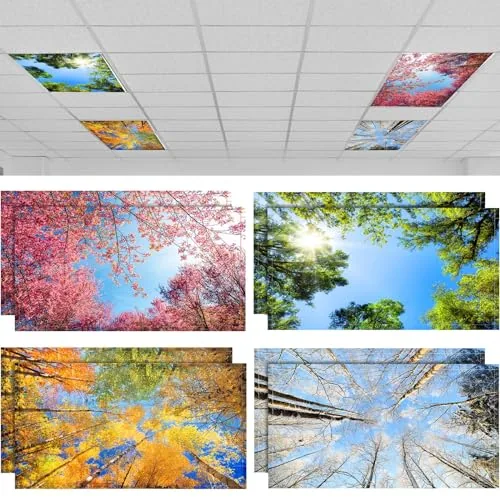
Fluorescent Light Covers Classroom Ceiling, 4 x 2 feet, pack of 8
8 pieces · 4 x 2 feet
4.7 out of 5 from 613 ratings
$36.99 $4.62 a piece

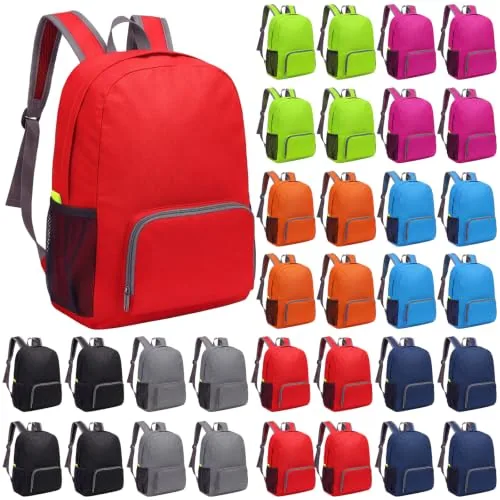
Backpacks School Colorful Bookbags, 17 in, pack of 48
48 pieces · 17 in · polyester
3.4 out of 5 from 372 ratings
$128.99 $2.69 a piece
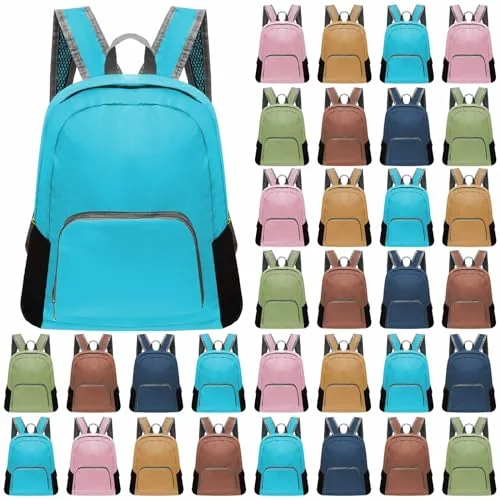
Backpacks School Colorful Bookbags, 17 in, pack of 24
24 pieces · 17 in · polyester
3.4 out of 5 from 372 ratings
$53.99 $2.25 a piece
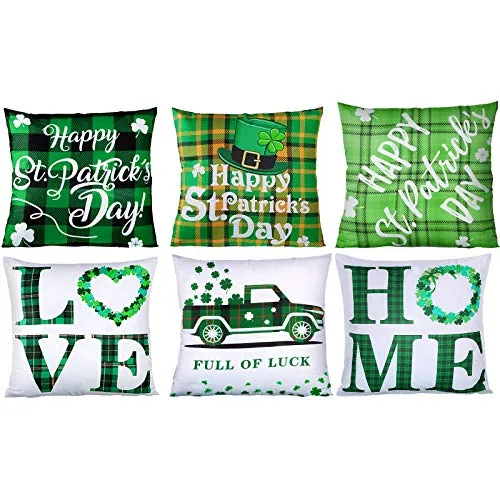
St Patrick Day Pillow Covers, 18 in, pack of 6, green
6 pieces · 18 in · polyester
4.5 out of 5 from 172 ratings
$13.99 $2.33 a piece
Buttons open the pack at our retail partner in a new tab.
The roster is the order
Patelai began with a teacher and forty folders, and the classroom is still the room we understand best. The rule has not changed since 2016: the roster is the order. Count the students, add the teacher and one spare per ten, and buy the pack that clears that number without buying a second pack for two pieces.
A supply list for a class of thirty reads like a party list with fewer balloons. Every student gets one folder, one lanyard, one name tag. The room gets one set of bins, one set of labels, a box of pencils that lives on the desk. Per student lines are multiplied. Per room lines are not.
This guide does the multiplication, then walks through the three packs teachers reorder every August, then reads the one federal rule that decides which packs can go into a room with the youngest children.
Roster to packs: how many of each common count
The columns are the pack counts that appear most often on the Patelai classroom bench today. Each cell is the number of packs and the pieces you end up with.
| Class size | Packs of 6 | Packs of 8 | Packs of 30 | Packs of 48 | Packs of 50 | Packs of 100 |
|---|---|---|---|---|---|---|
| 20 students | 4 × 6 = 24 | 3 × 8 = 24 | 1 × 30 = 30 | 1 × 48 = 48 | 1 × 50 = 50 | 1 × 100 = 100 |
| 24 students | 4 × 6 = 24 | 3 × 8 = 24 | 1 × 30 = 30 | 1 × 48 = 48 | 1 × 50 = 50 | 1 × 100 = 100 |
| 28 students | 5 × 6 = 30 | 4 × 8 = 32 | 1 × 30 = 30 | 1 × 48 = 48 | 1 × 50 = 50 | 1 × 100 = 100 |
| 30 students | 5 × 6 = 30 | 4 × 8 = 32 | 1 × 30 = 30 | 1 × 48 = 48 | 1 × 50 = 50 | 1 × 100 = 100 |
| 32 students | 6 × 6 = 36 | 4 × 8 = 32 | 2 × 30 = 60 | 1 × 48 = 48 | 1 × 50 = 50 | 1 × 100 = 100 |
Read across a row and pick the column with the smallest leftover. For thirty students, a single thirty-pack or three tens leaves nothing on the shelf. Two twenty-fours leave eighteen.
Patelai classroom packs that clear a roster
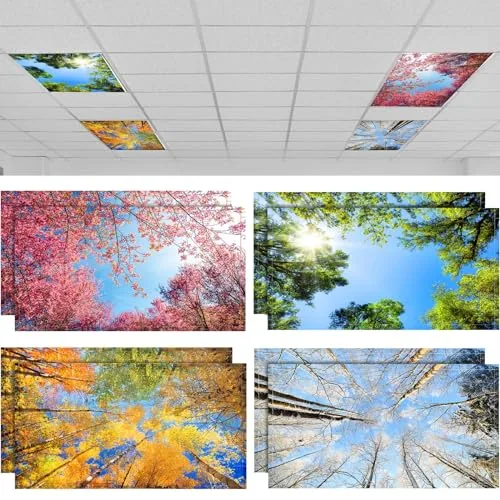
Fluorescent Light Covers Classroom Ceiling, 4 x 2 feet, pack of 8
8 pieces · 4 x 2 feet
4.7 out of 5 from 613 ratings
$36.99 $4.62 a piece
Backpacks School Colorful Bookbags, 17 in, pack of 48
48 pieces · 17 in · polyester
3.4 out of 5 from 372 ratings
$128.99 $2.69 a piece
Backpacks School Colorful Bookbags, 17 in, pack of 24
24 pieces · 17 in · polyester
3.4 out of 5 from 372 ratings
$53.99 $2.25 a piece
St Patrick Day Pillow Covers, 18 in, pack of 6, green
6 pieces · 18 in · polyester
4.5 out of 5 from 172 ratings
$13.99 $2.33 a piece
Buttons open the pack at our retail partner in a new tab.
Lanyards: the pack that gets reordered
A lanyard is a strap with a clip, one of the Patelai favorites, and a classroom goes through them faster than anything else on the list. They go home in a pocket, they get chewed, they get tied to a backpack. A pack of thirty covers the roster in September and is a pack of twenty-two by March.
Breakaway is the word to look for. A breakaway lanyard opens at the back of the neck when it is pulled, and the page prints the word when the maker uses it. It is the difference between a strap and a snag, and for the youngest students we would not buy a lanyard without it.
Badge holders are the other half of the pack, and they come in two kinds. A clear pouch with a slot takes a printed card. A clip takes a card with a hole. A pack of lanyards with holders is one order. A pack of lanyards alone is half an order, and the holder pack has to match the clip. The classroom bench lists both, and the name on the page says which it is.
Patelai lanyards and badge holders by the pack
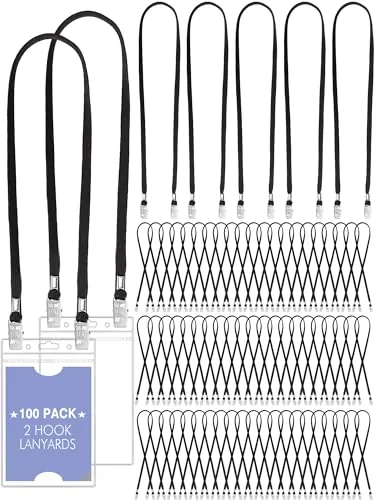
Double Clip Lanyards Face Mask, pack of 100, black
100 pieces · cotton
4.2 out of 5 from 75 ratings
$24.95 25¢ a piece
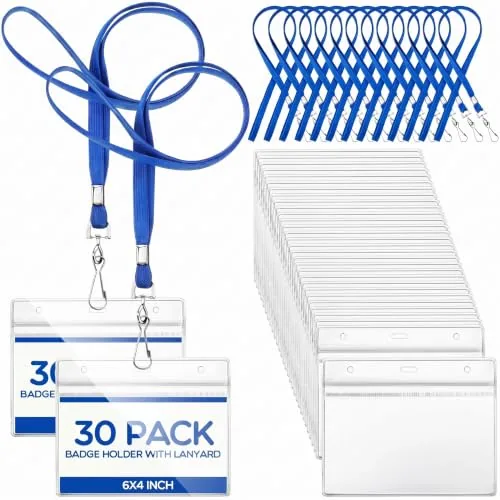
Blue Name Tag Lanyards Id, 6 x 4 in, pack of 30 sets, blue
30 sets · 6 x 4 in
4.6 out of 5 from 29 ratings
$17.95 60¢ a piece
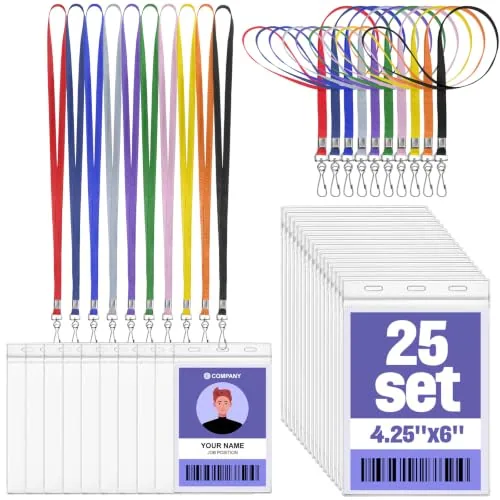
Badge Credential Holders Lanyards, 4 x 6 in, pack of 25
25 pieces · 4 x 6 in · plastic
$18.95 76¢ a piece
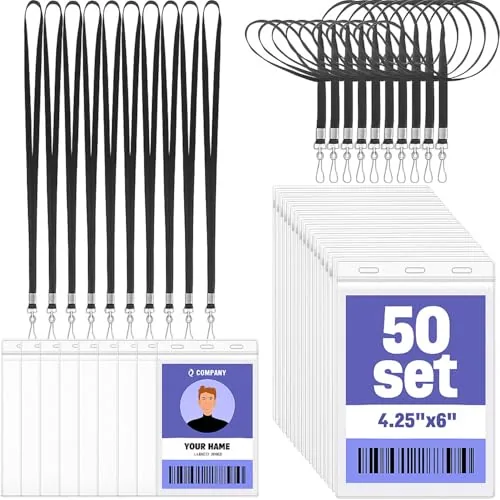
Badge Credential Holders Lanyards, 4 x 6 in, pack of 50, black
50 pieces · 4 x 6 in · plastic
$32.95 66¢ a piece
Buttons open the pack at our retail partner in a new tab.
Folders: prongs, pockets and the colour split
The folder is the pack we started with, and it is the one where the small words matter most. Two pockets is the standard. Prongs are the metal tabs that hold punched paper, and a folder with prongs is a folder that holds a term of worksheets. Without prongs it holds loose sheets, and loose sheets fall out on the bus.
Colour is the other decision. A pack of thirty in one colour is a class set. A pack of thirty in six colours is five of each, and five of each means the maths folder is blue for five students and green for the next five. If the plan is one colour per subject, buy one-colour packs, one per subject. If the plan is one colour per student, buy the assorted pack and accept the split.
We print the colour split when the maker gives it. When the maker says assorted and nothing more, the page says assorted and nothing more, and assorted is never an even split.
Patelai folders with the count on the front
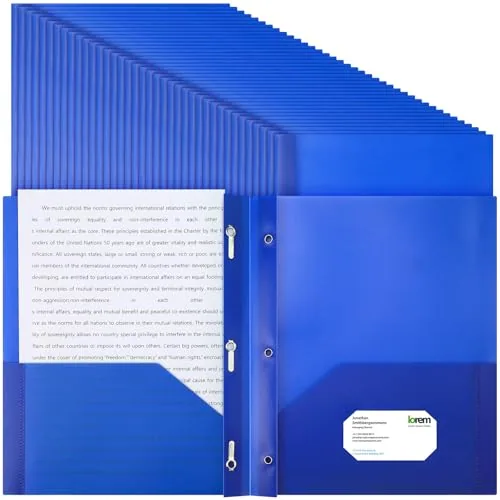
Plastic Folders Pockets Prongs, pack of 48, blue
48 pieces · plastic
4.7 out of 5 from 115 ratings
$43.99 92¢ a piece
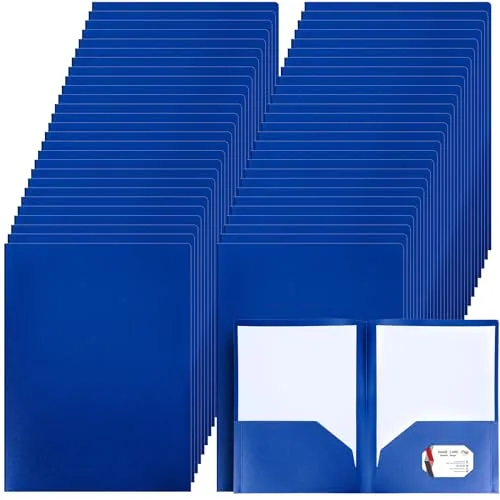
Plastic Folders Pocket Letter, pack of 50, blue
50 pieces · plastic
4.8 out of 5 from 69 ratings
$39.99 80¢ a piece
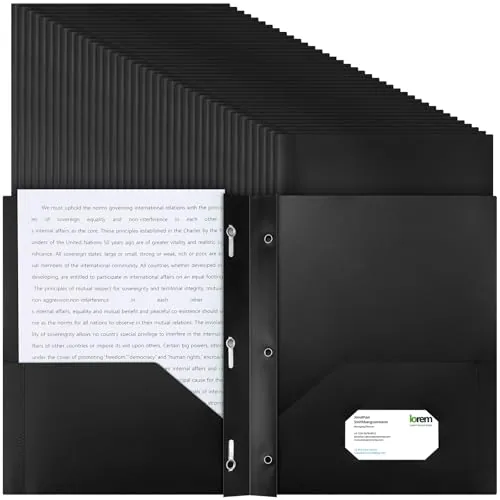
Plastic Folders Pockets Prongs, pack of 48, black
48 pieces · plastic
4.7 out of 5 from 115 ratings
$41.99 87¢ a piece
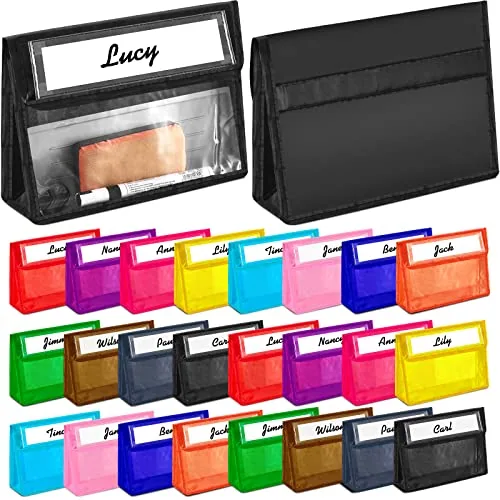
Magnetic Storage Pockets Whiteboard Case, pack of 24
24 pieces · polyester
4.0 out of 5 from 5 ratings
$36.99 $1.54 a piece
Buttons open the pack at our retail partner in a new tab.
Backpacks and bookbags: one size, one colour, one pack
Bulk backpacks, the largest pieces in the Patelai collection, exist for two reasons: a school that gives every student a bag, and a drive that gives a bag to every child who needs one. Either way the arithmetic is the roster again, but the words on the pack change.
A bulk backpack is one size. It fits a child from about six to about eleven, and it is small on a teenager. The pack is also one colour unless the page says assorted, and a drive that wants a mix buys two packs of two colours. Zips are the failure point, and a pack with double zips lasts a year longer than a pack with single ones.
What a bulk backpack will not do is carry a laptop. The padded sleeve is not in the pack unless the page lists it, and most do not. For an older student, the travel and bags bench has larger pieces sold in smaller counts.
Patelai backpacks and bookbags by the pack
Backpacks School Colorful Bookbags, 17 in, pack of 48
48 pieces · 17 in · polyester
3.4 out of 5 from 372 ratings
$128.99 $2.69 a piece
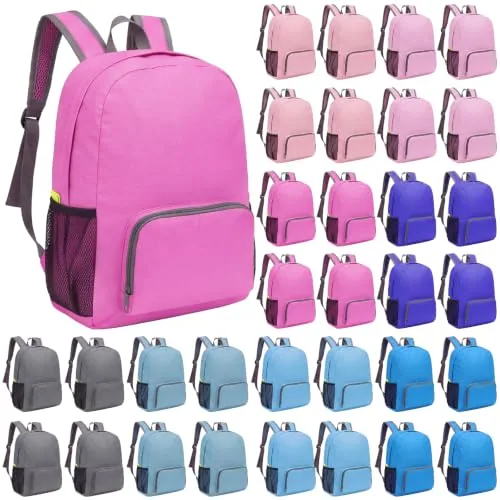
Backpacks School Colorful Bookbags, 17 in, pack of 48
48 pieces · 17 in · polyester
3.4 out of 5 from 372 ratings
$105.99 $2.21 a piece
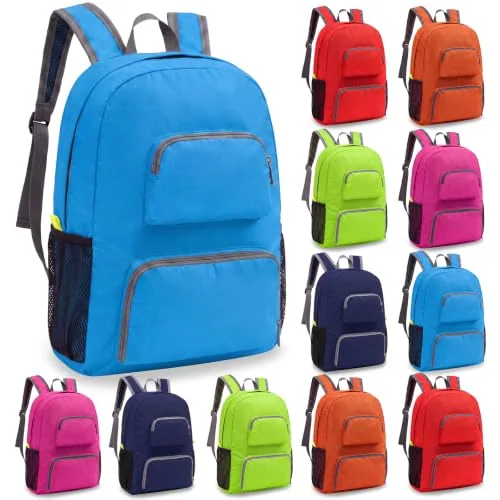
Colorful Backpacks, 17 in, pack of 12, bright
12 pieces · 17 in
1.8 out of 5 from 9 ratings
$35.99 $3.00 a piece
Backpacks School Colorful Bookbags, 17 in, pack of 48
48 pieces · 17 in · polyester
3.4 out of 5 from 372 ratings
$105.99 $2.21 a piece
Buttons open the pack at our retail partner in a new tab.
What is on the Patelai classroom bench by count
Counted from the classroom packs with a price today. Per piece is the price divided by the count.
| Pieces in the pack | Packs today | Cheapest per piece | Dearest per piece |
|---|---|---|---|
| Sold singly | 8 packs | n/a | n/a |
| 2 to 5 | 3 packs | $7.00 | $17.50 |
| 6 to 11 | 16 packs | $1.75 | $7.67 |
| 12 to 24 | 9 packs | 50¢ | $3.17 |
| 25 to 49 | 27 packs | 53¢ | $2.94 |
| 50 to 99 | 19 packs | 12¢ | $2.15 |
| 100 and more | 23 packs | 4¢ | 56¢ |
The big packs are not always the cheapest per piece, because a hundred-pack of badge holders and a twelve-pack of backpacks live in the same row. Compare like with like, folder with folder.
The under-three rule: what a small part is
Everything above is about counting. This section is about a rule, and it applies to any pack that goes into a room with children under three: a nursery, a family day care, a kindergarten with a younger sibling on the mat. The Consumer Product Safety Commission publishes the rule for the businesses that make and import children's products, and its definition of a small part is precise.
A small part is any object that fits, without compressing and in any orientation, entirely into the small parts cylinder (see Figure 1 at 16 C.F.R. § 1501.4), which approximates the size of the fully expanded throat of a child under three years old.CPSC, Small Parts Ban and Choking Hazard Labeling, read 4 September 2026
The cylinder is the test. If a piece, or a piece that breaks off, fits inside it, the piece is a small part, and a children's product intended for under-threes that has small parts is banned. That is the whole rule, and it is why a pack of badge clips, a bag of beads or a set of mahjong tiles is not a toy for a toddler however bright the colours are.
The page lists what the ban does not cover, and the list is worth reading because it names things a classroom uses every day: books and paper, crayons and pencils, children's clothing and its buttons, toothbrushes, cups and dishes, modelling clay, paint sets. A pack of pencils is not a small parts question. A pack of pencil toppers is.
The warning label, and where it appears
For products aimed at older children that still contain small parts, the same page describes a label instead of a ban.
Certain children’s products that are or contain small parts, balloons, small balls, or marbles must be labeled to warn consumers not to buy them for children under a certain age.CPSC, Small Parts Ban and Choking Hazard Labeling, read 4 September 2026
This is the label you have seen on a box: a warning triangle, the words choking hazard, and an age. The page adds that advertising for those toys must carry the same warning, and we follow that where a maker's text carries it. When a maker prints an age on a pack in the kids bench, our page prints the same age. When the maker prints nothing, the page prints nothing, and a blank age line is a reason to keep the pack away from the youngest room.
What we will not do is invent an age. A pack of small figures with no age from the maker is a pack with no age on our page, and the cylinder rule is the one to apply yourself. If it fits in a toilet paper tube, treat it as a small part. The tube is wider than the official cylinder, so it is the cautious test, and cautious is right here.
The Patelai kids bench, read through the rule
Today the kids bench holds 28 packs where the maker names children as the audience. We sort them by what the maker says, not by how they look. Toys with an age line carry it in the specification. Packs for babies and toddlers that the maker describes as such are named that way. Everything else on the bench is for the school-age child, and a school-age child is over three.
The rule reaches beyond the kids bench, and that is the point of putting it in a classroom guide. Badge clips from the office bench, favours from the party bench, small tins from the kitchen bench and beads from the craft bench are all small parts under the cylinder test. None of them are children's products, so the ban does not apply to them, but the cylinder does not know that. In a room with an under-three, they go on the high shelf.
Patelai packs where the maker names the child

Glitter Star Garland Banner, 130 feet, bright
130 feet · paper
4.7 out of 5 from 6,288 ratings
$14.29
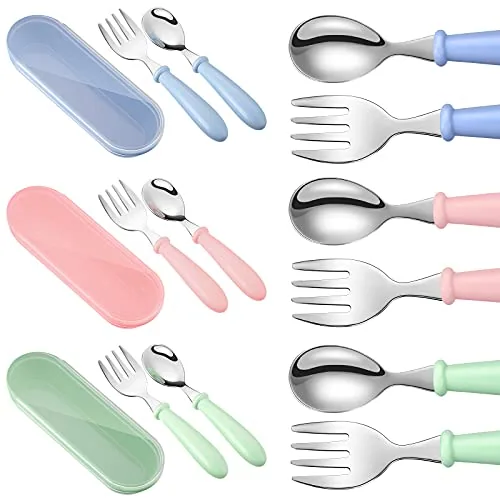
Toddler Utensils Fork Spoon Case, pack of 9, blue
9 pieces · stainless steel
4.7 out of 5 from 696 ratings
$15.99 $1.78 a piece
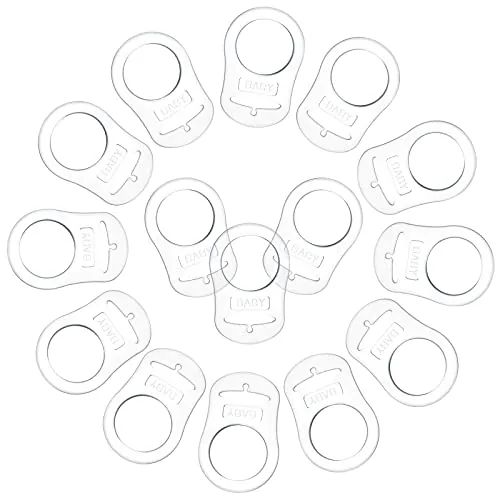
Soft Silicone Baby Pacifier Clips, pack of 15
15 pieces · silicone
4.8 out of 5 from 627 ratings
$6.99 47¢ a piece
Buttons open the pack at our retail partner in a new tab.

Name tags, wristbands and the first week
The first week of term has its own list, and most of it is disposable. Name tags at one per student per day for a week is five per student, and a hundred-pack covers a class of twenty with none over. Wristbands for a field trip are one per student per trip, and the spare pack is the one you are glad of at the bus.
Both are small parts by the cylinder test once the backing is peeled, and both are fine in a classroom of seven-year-olds. In a mixed-age room they go home in the bag, not on the wrist. That is the rule applied with common sense, and common sense is what the CPSC page is for.
Clear bags and clear folders: the see-through rule
A growing number of schools ask for clear bags, and the bench reflects it: clear backpacks, clear pencil cases, clear badge pouches. Clear is a material word here as much as a colour word. It means a vinyl or a PVC panel, and the panel is the part that fails. It scratches, it clouds, and it cracks in the cold.
When a clear bag pack names the gauge of the vinyl, the page prints it. Thicker is stiffer and lasts longer. When the pack says heavy duty and nothing else, the page says heavy duty, and heavy duty is a description of intent, not a number.
Clear folders are a different material, a thin polypropylene, and they take the year without complaint. They are the folder we suggest for a class that loses folders, because a teacher can see the worksheet inside from across the room and a student cannot hide an empty one.
Face masks and the health line on the supply list
Face masks are still on some supply lists, and the bench carries them in the counts a classroom uses. They are disposable, one per student per day, and the arithmetic is the roster times the days in the box. A class of twenty-four over a five day week is a hundred and twenty, which is the fifty-pack times three with thirty over.
What we print is what the maker prints: layers, ear loop or tie, and the size if the maker names a child size. A child mask is smaller across the face and shorter on the loop. An adult mask on a seven-year-old rides up over the eyes.
We do not make any claim about what a mask does, because that is not a count, and we are not the people to say it. The health bench lists them next to the dental packs, and the same rule applies to both: the maker's words, then the count, then the price per piece.
Games, tiles and the cylinder test
The bench holds mahjong sets and small games, and they are the cleanest example of the rule above. A mahjong tile is a small part by the cylinder test. The sets are for adults and older children, the maker says so, and a set is not a children's product in the meaning of the rule. None of that changes what the tile does in a toddler's mouth.
So a games pack is a high shelf pack in a mixed-age room, and a fine pack in a classroom of ten-year-olds, and the page says which age the maker names. The same goes for beads from the craft bench, tins from the kitchen bench and every favour on the party bench. The test is the cylinder, not the department.
Per room: bins, labels and the teacher's own list
Not everything is per student. The room has its own list, and it is shorter and cheaper than people expect. Six to eight storage bins for a wall of shelves. One pack of labels. One pack of hooks for the coats. A box of pencils on the desk and a second one in the drawer.
The storage bench sells bins by the six and the twelve, and the count to buy is the shelf count plus one. Measure the shelf depth first. A bin that is an inch deeper than the shelf sits proud and tips, and a pack of twelve of them is twelve tipping bins.
Hooks are the per room pack that should be per student. One hook per coat, one coat per student, plus the spare. Adhesive hooks hold what the maker rates on the surface the maker names, and painted brick is not on most makers' lists. Screw hooks are the answer for a coat wall, and the tools bench has them by the twenty and the fifty.
Timing the order
The classroom bench has a season, and it is the four weeks before term. Packs that sit all year go quickly in August, and a pack that is on the page today may have no price next week. When a pack has no price, its page is not on the bench until it comes back, and the department page holds the packs that are.
The practical answer is the calendar. Order the per student lines in July, when the roster is known to within a couple of names. Order the per room lines whenever, because a bin is a bin in any month. And order the spare lanyard pack in September, when the first ones have already gone home in a pocket.
Per piece on the gift packs teachers buy for a team
The end-of-year thank-you is a classroom order too. These are the gift packs with the most ratings today, with the per piece done.
| Pack | Count | Price | Per piece |
|---|---|---|---|
| Christmas Money Puzzle Box Cash, pack of 4 | 4 pieces | $16.95 | $4.24 |
| Nurse Shot Glasses Theme, 2.36 x 1.97 in, pack of 2 | 2 pieces | $8.99 | $4.50 |
| Neoprene Lip Balm Holder Keychain, pack of 40 | 40 pieces | $22.79 | 57¢ |
| Preppy Makeup Bags Chenille Letter, pack of 2, white | 2 pieces | $12.99 | $6.50 |
A gift pack is one design repeated. Thirty of the same keychain suit thirty colleagues. They will not surprise the one person who sees all thirty, and the page for each pack says what is in the box.
What a classroom pack will not do
- It will not split by colour to order. Assorted is what the maker put in the box, and it is never even.
- A bulk backpack is one size. It fits the middle of the room and nobody at the edges.
- A lanyard pack of thirty is not a pack of thirty in March. Buy the spare in September.
- Small parts are small parts whatever the bench. The cylinder test does not read labels.
- A blank age line on our page is the maker's silence, not our approval.
The August checklist
- Write the roster. Add the teacher, the aide, and one spare per ten students.
- Sort the list into per student and per room.
- Pick the pack count that clears the roster with the smallest leftover. The table at the top does it for the common counts.
- For lanyards, look for breakaway and buy the holder that matches the clip.
- For folders, decide colour per subject or colour per student before you choose one-colour or assorted.
- Apply the cylinder test to anything going into a room with an under-three, and keep those packs high.
- Check the date. The prices page says when prices were last updated and what the figure covers.
Party for the class at the end of term? Our guide on party arithmetic does the guest list sums, and the guide on the words on a kitchen pack covers the cups.
Before you go
More office & school in the Patelai range
Plastic Folders Pockets Prongs, pack of 48, blue
48 pieces · plastic
4.7 out of 5 from 115 ratings
$43.99 92¢ a piece
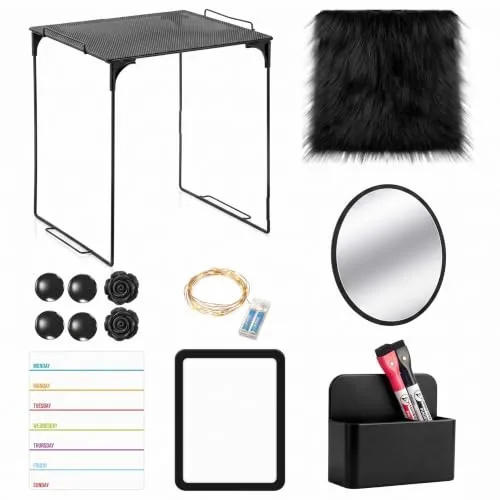
Locker School, pack of 11, black
11 pieces · metal
4.4 out of 5 from 109 ratings
$23.99 $2.18 a piece
Lateral Front Back File Bar, pack of 12
12 pieces · stainless steel
3.8 out of 5 from 91 ratings
$32.99 $2.75 a piece
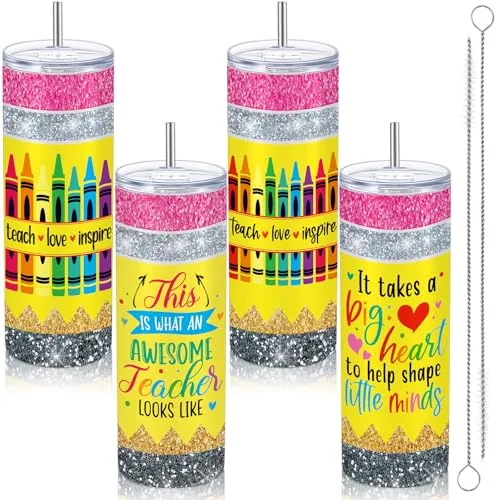
Teacher Tumbler Lid Straw, 20 oz, pack of 2
2 pieces · 20 oz · stainless steel
4.7 out of 5 from 87 ratings
$23.99 $11.99 a piece
Buttons open the pack at our retail partner in a new tab.
Sources
- Small Parts Ban and Choking Hazard Labeling, U.S. Consumer Product Safety Commission, read 4 September 2026
This guide is general information about products and household routines. It is not medical advice, not a diagnosis, and not a substitute for a doctor or a dentist.