How many to buy
Party arithmetic: how many cups, favours and bottles for the guest list
A party is a headcount with decorations. Here is how we turn a guest list into pack counts, where the spare ten percent goes, and what the food safety people say about the table once the guests arrive.
14 minute read · sources read 4 September 2026
Start with the pack
Patelai party & holiday to look at first



Glitter Star Garland Banner Christmas, 130 feet, purple
130 feet · paper
4.7 out of 5 from 6,288 ratings
$13.99
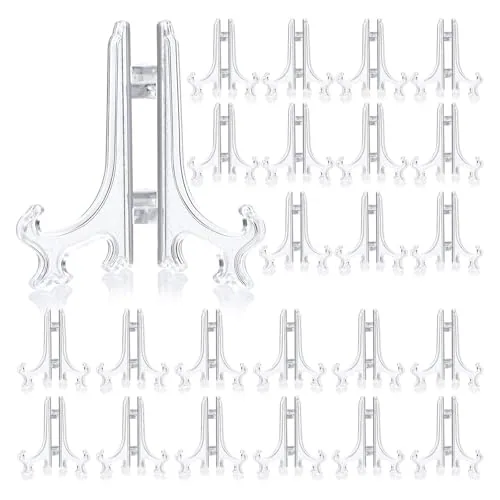
Mini Easel Stands Plastic Plate, 5 in, pack of 48, clear
48 pieces · 5 in · plastic
4.3 out of 5 from 942 ratings
$16.99 35¢ a piece
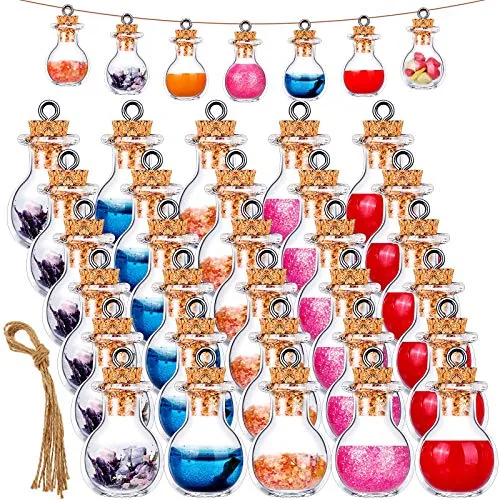
Mini Glass Bottles Cork Tiny, pack of 30, clear
30 pieces · glass
4.5 out of 5 from 924 ratings
$9.99 33¢ a piece
Buttons open the pack at our retail partner in a new tab.
Start from the headcount, not from the pack
The mistake we see most is buying by the pack and hoping. A pack of fifty favours looks like plenty until the RSVP list reaches forty-eight and two people bring a cousin. The order that works starts at the other end. Count the guests, decide what each guest touches, add the spare, and only then look at the counts on the pack.
We write the count in the name of every pack for this reason. A Patelai party page says twenty-four bottles or fifty picks before it says anything else, because that number is the whole decision. The price per piece sits beside it so you can compare a thirty-pack with a hundred-pack without a calculator.
This guide is the arithmetic the Patelai team uses itself. It will not tell you how to throw a party. It will tell you how many of each thing to put in the cart, and it will tell you where the numbers come from.
Guests to pieces: the table we use
Every cell is the guest count multiplied by the pieces per guest, plus ten percent, rounded up. Round up again to the nearest pack when you shop.
| Guest list | One per guest | Two per guest (cups, napkins) | Favours | Three per guest (picks, straws) |
|---|---|---|---|---|
| 12 guests | 14 | 27 | 14 | 40 |
| 24 guests | 27 | 53 | 27 | 80 |
| 36 guests | 40 | 80 | 40 | 119 |
| 50 guests | 56 | 111 | 56 | 165 |
| 100 guests | 111 | 221 | 111 | 330 |
Cups and napkins run at two per guest because people put them down and lose them. Picks and straws run at three because a second drink needs a second straw. Favours are one each, and they are the one line where a spare pack is money on a shelf.
Patelai party packs sized for a guest list
Glitter Star Garland Banner Christmas, 130 feet, purple
130 feet · paper
4.7 out of 5 from 6,288 ratings
$13.99
Mini Easel Stands Plastic Plate, 5 in, pack of 48, clear
48 pieces · 5 in · plastic
4.3 out of 5 from 942 ratings
$16.99 35¢ a piece
Mini Glass Bottles Cork Tiny, pack of 30, clear
30 pieces · glass
4.5 out of 5 from 924 ratings
$9.99 33¢ a piece
Buttons open the pack at our retail partner in a new tab.
Where the spare ten percent goes
Ten percent is not a superstition. It is the sum of three small things that happen at every party. Someone arrives who was not on the list. Something falls on the floor. And a child opens the pack of favours before the guests arrive to see what is inside.
For a party of twenty-four the spare is three pieces, which is nothing. For a hundred guests it is ten, which is a sensible margin. Above a hundred you can drop the margin to five percent, because a big party has more of everything and a shortfall is easier to hide.
The trick is to let the spare land on the pack boundary. If you need fifty-three cups and the pack is fifty, do not buy two packs of fifty. Buy the fifty and a pack of twelve, or take the sixty-pack if there is one. The party bench filter by count shows the packs that sit just above your number.
The one place we do not add a spare is decorations. A garland is per room, not per guest. Nobody notices a party with one banner fewer, and everybody notices a table with no napkins.
Per guest, per table, per room
Every item at a party belongs to one of three counts, and mixing them up is how people end up with two hundred balloons and eleven cups.
- Per guest: cups, napkins, favours, straws, drink pouches, wristbands. Multiply by the headcount.
- Per table: centrepieces, table runners, serving picks, small baskets. Count the tables, usually one per six to eight seated guests.
- Per room: banners, garlands, hanging decorations, a photo backdrop. One or two of each, whatever the guest list says.
Bottles are the odd one out. A mini bottle for a favour is per guest. A potion bottle on a Halloween table is per table. We name the count on the pack, but you decide which of the three lines it belongs to, because a pack of twenty-four bottles can be a favour for twenty-four people or a decoration for four tables.
When you have the three lines written down, the shopping list is three multiplications and a handful of packs. The rest of this guide is about the packs, then about the table once the guests arrive.
What is on the Patelai party bench by count
Counted from the packs with a price today. The per piece figures are the price divided by the number in the pack, nothing else.
| Pieces in the pack | Packs today | Cheapest per piece | Dearest per piece |
|---|---|---|---|
| Sold singly | 22 packs | n/a | n/a |
| 2 to 5 | 30 packs | $1.37 | $16.33 |
| 6 to 11 | 25 packs | $1.42 | $7.12 |
| 12 to 24 | 28 packs | 21¢ | $5.83 |
| 25 to 49 | 15 packs | 15¢ | $1.05 |
| 50 to 99 | 9 packs | 13¢ | 40¢ |
| 100 and more | 15 packs | 4¢ | 36¢ |
The spread inside a row is real. Two packs of twenty can differ five times per piece because one is paper and the other is glass. The cheapest per piece is not the best pack, it is the cheapest one.

Bottles, pouches and the drinks line
The drinks line is where a party runs out first, because every guest goes back to it. Plan for two drinks per guest over the first two hours and one an hour after that, then round up.
Mini bottles and drink pouches change the arithmetic in a useful way. A pouch is a cup and a serving in one piece, so you buy pouches per guest and skip the cups for that drink. Reusable bottles, Patelai staples in the drinks line, are per guest too, but they go home with the guest as the favour, so they cover two lines at once.
What a bottle pack will not do is pour itself. Twenty-four small bottles take a funnel and twenty minutes to fill, and a cork lid seals differently from a screw cap. If the page says cork, plan to fill them on the day. If it says screw cap, you can fill them the night before.
Patelai bottles and pouches for the drinks line
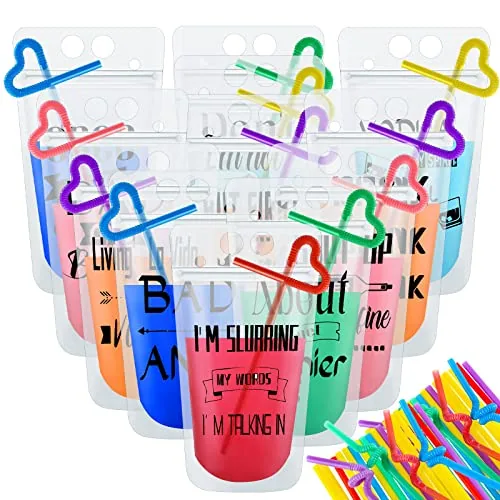
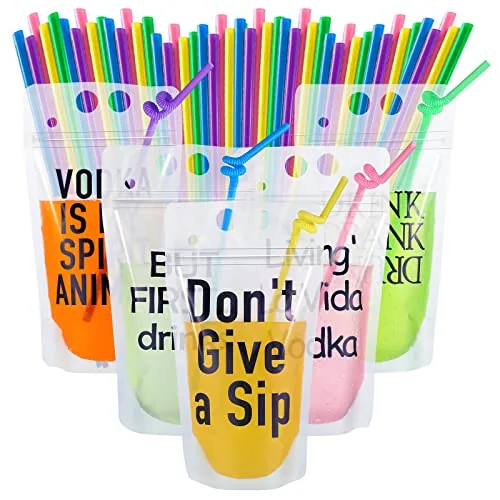
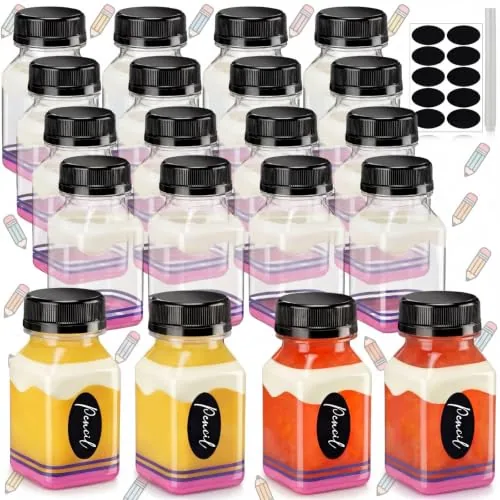
Back School Juice Bottles Cap, 4 oz, pack of 20
20 pieces · 4 oz · plastic
5.0 out of 5 from 5 ratings
$9.99 50¢ a piece
Buttons open the pack at our retail partner in a new tab.
The table after the guests arrive: the two hour rule
Everything above is about pieces. This part is about the food on the table, and here we stop guessing and read the people whose job it is. The USDA Food Safety and Inspection Service keeps a page on leftovers, and the numbers on it are the ones a party needs.
Bacteria grow rapidly between the temperatures of 40° F and 140° F. After food is safely cooked, hot food must be kept hot at 140° F or warmer to prevent bacterial growth. Within 2 hours of cooking food or after it is removed from an appliance keeping it warm, leftovers must be refrigerated.USDA FSIS, Leftovers and Food Safety, read 4 September 2026
Two hours is the number to write on the kitchen wall. A tray that comes out at seven should be in the fridge or in the bin by nine, and the page adds that the window shrinks to one hour when the room is above 90 °F. A summer garden party is a one hour party for the food.
This is where serving trays and small bowls earn their place. The USDA page suggests small serving trays that you replace often, instead of one large platter that sits out all evening. Six small trays that rotate through the fridge keep the food inside the window. One big tray does not.
Nothing on the Patelai bench keeps food hot or cold on its own. Trays and jars hold food, they do not chill it. Ice underneath a tray and a warming dish for the hot line are the tools, and the two hour clock runs either way.
Cold food stays cold, hot food stays hot
The same page gives the two temperatures that decide whether a dish is safe to leave out. Cold perishable food, chicken salad or a platter of cold cuts, should be kept at 40 °F or below. Hot food should stay at 140 °F or warmer. The band between them is where bacteria grow fastest, and a buffet table at room temperature sits right in it.
The practical version for a home party is short. Put cold dishes in a bowl of ice, or bring them out in halves and keep the second half in the fridge. Keep hot dishes in the slow cooker or the warming tray they were cooked in. Anything that has sat out for two hours goes, and it goes even if it looks fine, because the page is clear that time is the test, not appearance.
Patelai cups and tumblers by the dozen
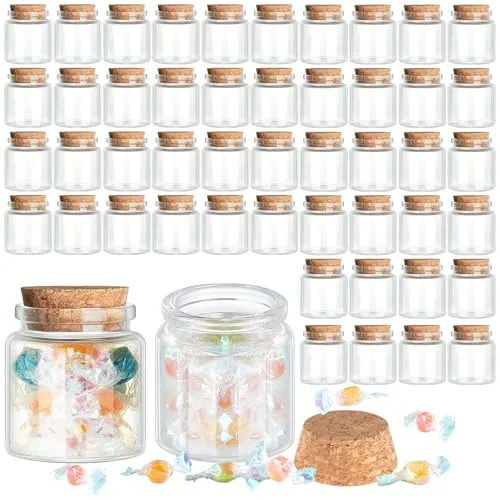
Small Glass Jars Cork Lids, 50ml, pack of 24
24 pieces · 50ml · glass
4.6 out of 5 from 595 ratings
$20.99 87¢ a piece
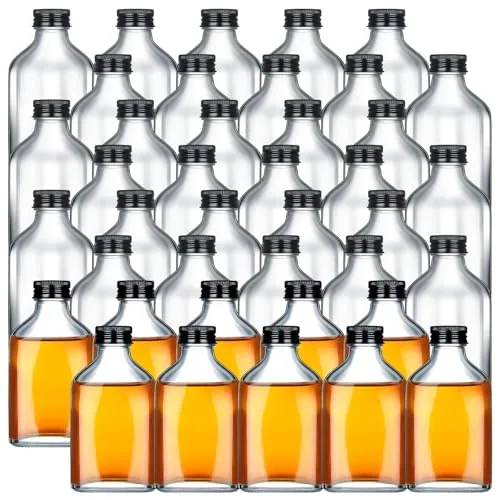
Small Glass Bottles Caps Mini, 200 ml, pack of 60, clear
60 pieces · 200 ml · glass
$89.99 $1.50 a piece
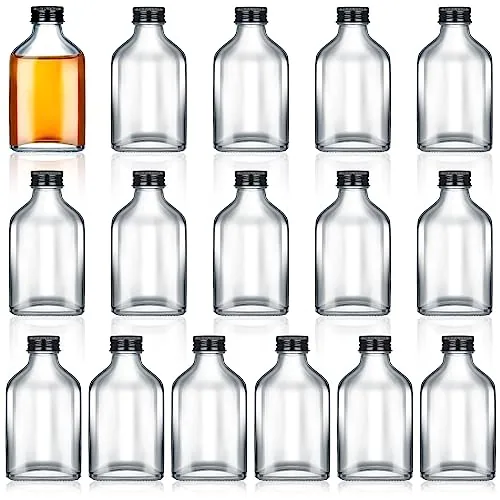
Small Clear Glass Bottles Aluminum, 50 ml, pack of 16, clear
16 pieces · 50 ml · glass
$22.99 $1.44 a piece
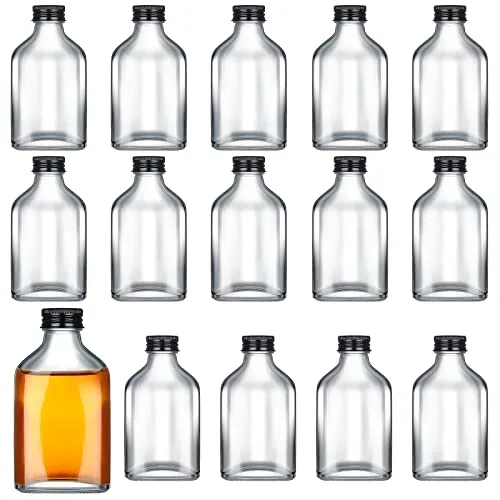
Small Glass Bottles Caps Mini, 100 ml, pack of 16, clear
16 pieces · 100 ml · glass
4.3 out of 5 from 244 ratings
$25.99 $1.62 a piece
Buttons open the pack at our retail partner in a new tab.
Leftovers into shallow containers
The end of the party is a kitchen full of half trays. The USDA page has a single instruction for that moment, and it is about the shape of the container as much as the fridge.
To do this, divide large amounts of food into shallow containers.USDA FSIS, Leftovers and Food Safety, read 4 September 2026
A deep pot of chili cools from the outside in and stays warm in the middle for hours. Spread across four shallow containers, the same chili is fridge cold in a fraction of the time. This is the reason a pack of twelve flat containers is a party tool and not just a lunch tool.
Leftovers can be kept in the refrigerator for 3 to 4 days or frozen for 3 to 4 months.USDA FSIS, Leftovers and Food Safety, read 4 September 2026
Three to four days is shorter than most people think. Label the lid with the day, and freeze on day two anything you will not eat by day four. Reheated leftovers should reach 165 °F on a food thermometer, and the page says sauces and soups should come to a rolling boil.
The storage bench has containers and lids by the dozen, and the kitchen bench has jars with wide mouths that take a ladle. Our guide on the words on a kitchen pack explains what dishwasher safe and BPA free mean before you run those containers through the machine.
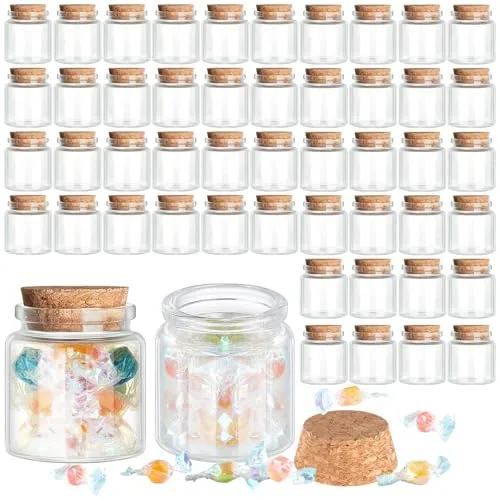
Per piece on the party packs people rate most
The six party packs with the most ratings today, with the price per piece done for you.
| Pack | Count | Price | Per piece |
|---|---|---|---|
| Mini Easel Stands Plastic Plate, 5 in, pack of 48, clear | 48 pieces | $16.99 | 35¢ |
| Mini Glass Bottles Cork Tiny, pack of 30, clear | 30 pieces | $9.99 | 33¢ |
| Hawaiian Beach Cake Toppers Pool, pack of 12 | 12 pieces | $6.99 | 58¢ |
| Cocktail Drink Umbrellas, pack of 160 | 160 pieces | $12.99 | 8¢ |
Ratings are per pack and come from the people who bought that pack. We print them as they are, and we do not add them together.
What a party pack will not do
We prefer to say this before the order than after it.
- A pack is one design. Fifty identical favours suit fifty guests. They will not suit a table that needs six different colours unless the page says assorted, and assorted packs are not split evenly.
- Paper garlands are for indoors. Rain, and even a damp evening, ends them.
- Balloons are not in a pack unless the page lists them. A banner pack is the banner.
- Glass bottles are glass. A pack of twenty-four arrives in a box and one can arrive cracked. Count them on the day they arrive, not on the day of the party.
- Nothing here keeps food hot or cold. See the two hour rule above.
None of that is a reason not to buy in bulk. It is the reason to buy the right bulk, and to open the box a week early.
Children at the party
If guests under three will be in the room, the favours need one more check. Anything that fits inside a toddler's mouth is a choking hazard by the federal definition, and small favours, mini bottles and picks all fit. Our guide on classroom counts and the under-three rule quotes the Consumer Product Safety Commission on what counts as a small part and which packs carry the warning.
The short version for a party: keep the favours on a high table until the end, and hand them to parents instead of to children. The kids bench carries the packs the maker has aged for children, with the age line on the page.
Halloween, Christmas and the seasonal shelf
Two seasons drive the party bench, and the catalogue shows it. Today 23 packs carry a Halloween word in the name and 18 carry a Christmas one. Those packs behave differently from a birthday pack in one way that matters for the order: they sell in a window, and the window closes before the day.
A Halloween pack ordered in the first week of October arrives with time to count and fill. The same pack ordered in the last week is a gamble on delivery. We do not hold stock and cannot promise a date, so the honest advice is the calendar, not a promise. Order seasonal packs a month out, and order the plain ones whenever you like.
Potion bottles are the best example of a seasonal pack that is also a year-round one. On a Halloween table they are decoration, per table. Filled with bath salts in December they are a favour, per guest. The count on the page is the same, the line on your list changes, and the price per piece does not care which month it is.
Costumes, wristbands and the themed party
A themed party adds a fourth line to the list: things every guest wears. Wristbands and simple costume pieces are per guest, and unlike napkins nobody loses them, so the spare can drop to five percent.
Sizes are the catch. A pack of costumes is one size unless the page says otherwise, and one size fits the middle of the room and nobody at the edges. If the guest list runs from a six-year-old to a grandparent, buy the wearable line in two packs of two sizes rather than one big pack. The apparel bench lists socks, gloves and hats by pairs and by size for the same reason.
Wristbands are the one item where we suggest buying more than the headcount by a wide margin. They are cheap per piece, they double as door tickets, and a spare pack of a hundred is the difference between a smooth door and a queue.
A worked example: forty guests, one evening
Say the list is forty people at a house, seated at five tables of eight, with drinks for three hours. Here is the arithmetic on one page.
- Cups at two per guest: 80, plus ten percent is 88. Buy the hundred-pack.
- Napkins at two per guest: 88. Same pack size, same answer.
- Picks and straws at three per guest: 132. Buy the hundred-pack and a fifty.
- Favours at one per guest: 44. Buy the fifty-pack.
- Drinks at two per guest for two hours and one for the third: 200 servings. Pouches and bottles cover part of that, the rest is the cups above.
- Centrepieces per table: 5. Buy the six-pack.
- Banners per room: 1 or 2. Buy one pack.
Seven lines, eight packs, and the spare lands on the pack boundary every time. The one thing the example hides is the day-after storage, which is another six to eight shallow containers from the storage bench.
How we count a pack before it goes on the page
The first job on any new pack at Patelai is the same as it was in 2016: open the box and count. The count on the label and the count in the box are the same almost every time. When they are not, the page carries the number we counted, not the number on the label, and the name of the pack changes to match.
The second job is the per piece figure. It is the price divided by the count, rounded to the cent, and it is recalculated whenever the price is updated. It is not a discount, not a saving, and not a comparison with anyone else. It is a division, and it is on the page so you can do the comparison yourself.
The third job is the words. Material, colour and size come from the maker. If the maker says glass, the page says glass. If the maker says nothing about the material, the page says nothing either, and a blank line is a fact too.
Baskets, candy and the per table line in practice
The per table line is the one people skip, and it is the one that makes a room look dressed. A basket per table with something in it does more than a banner per wall, because the guests sit at the table and stand under the banner for a second.
Baskets on the bench come by the six and the twelve, which is the table count of most home parties. Fill them from a bulk bag of wrapped candy, and the arithmetic is one basket per table and about eight pieces per guest at that table over the evening. Five tables of eight is five baskets and three hundred and twenty pieces, which is two bulk bags and a spare.
Wrapped is the word that matters, and it is a food safety word, not a decoration word. Unwrapped candy in an open basket sits in the two hour window like anything else on the table. Wrapped candy does not, and a basket of it can go back in the cupboard for the next party.
The drawstring pouch is the other per table piece that doubles as a per guest one. A pouch per guest, filled from the basket at the end, is the favour and the clean-up in one move, and a pack of fifty pouches costs less per piece than any favour we list.
Storing what is left for next year
The good news about bulk is that the leftover half pack is next year's party. The bad news is that paper goods fade and plastic goes brittle in a hot garage.
Keep the leftovers in one labelled container, inside the house, away from a window. Garlands lie flat, bottles stand up with the lids off so nothing sticks, and favours stay in the original bag with the count written on it. A pack of clear storage bins from the storage bench is a party tool on the day after in the same way a tray is a party tool on the day.
Write the count on the lid. A year is long enough to forget whether the box holds twelve cups or forty, and the whole point of this guide is not to guess.
The checklist
- Write the guest count, then add ten percent.
- Sort the list into per guest, per table and per room.
- Multiply. Cups and napkins at two per guest, picks and straws at three.
- Round each number up to the nearest pack, and let the spare land on the pack boundary.
- Open every box a week before the party and count.
- Plan the food around the two hour clock and shallow containers for the day after.
Prices are updated on a schedule, and the prices page says when and what the figure covers. If a pack you want has no price today, its page is not on the bench until it comes back.
Before you go
More party & holiday in the Patelai range
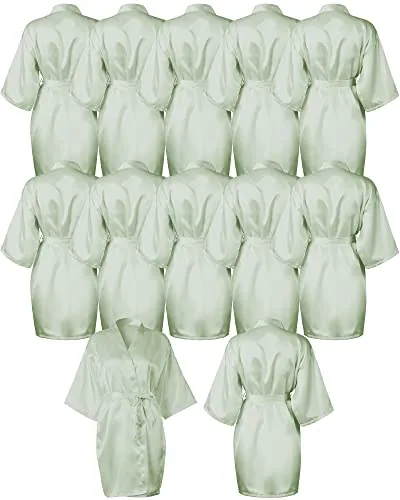
Kimono Robes Silky Bride Bridesmaids, pack of 12, green
12 pieces · polyester
4.3 out of 5 from 626 ratings
$69.99 $5.83 a piece
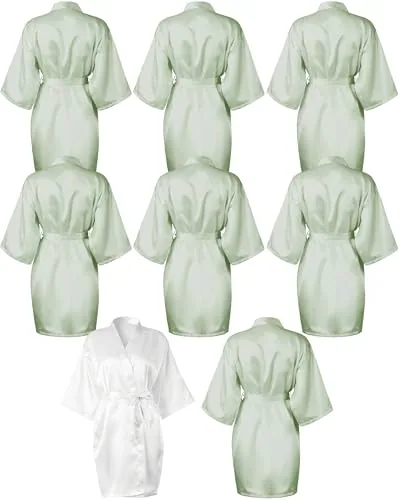
Bridesmaids Robes Silk Satin Kimono, pack of 8, white
8 pieces · polyester
4.3 out of 5 from 626 ratings
$54.99 $6.87 a piece
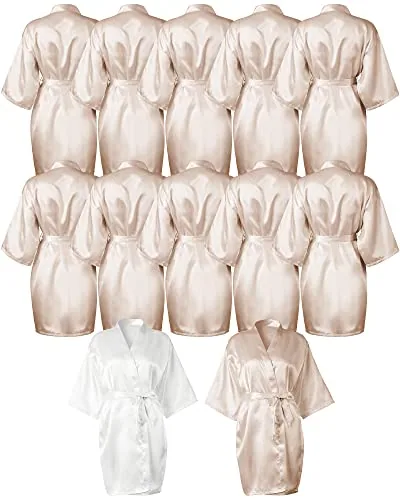
Bridesmaids Robes Silk Satin Kimono, pack of 12, white
12 pieces · polyester
4.3 out of 5 from 626 ratings
$69.99 $5.83 a piece

Buttons open the pack at our retail partner in a new tab.
Sources
- Leftovers and Food Safety, USDA Food Safety and Inspection Service, read 4 September 2026
This guide is general information about products and household routines. It is not medical advice, not a diagnosis, and not a substitute for a doctor or a dentist.